





Clothes for a changing body shape after 50
As fit needs shift with age, prioritize posture-supportive bras, full elastic waistbands, and soft structured knits over rigid construction.
What shifts first as fit needs change
As fit needs shift with age, a posture-supportive wireless bra, a full elastic or smocked waistband, and soft structured knits typically serve better than rigid, fitted construction.
It rarely happens all at once. A bra that used to sit flat starts to ride up in back. A waistband that once lasted a full day starts digging in by afternoon. None of that means the old size was wrong — it means the body it was fit to has kept moving, the way bodies do.
The fix isn’t a different size at all. It’s different mechanisms: straps built to carry weight without cutting in, waistbands built to expand and contract, knits built to hold their shape without holding their ground rigidly. Woman Within's Posture bras are a good place to start, because they’re built around exactly this kind of gradual change.
A posture-supportive bra: what to look for
Look for wide-set straps, a supportive back panel, and full coverage built for lift rather than shape alone.
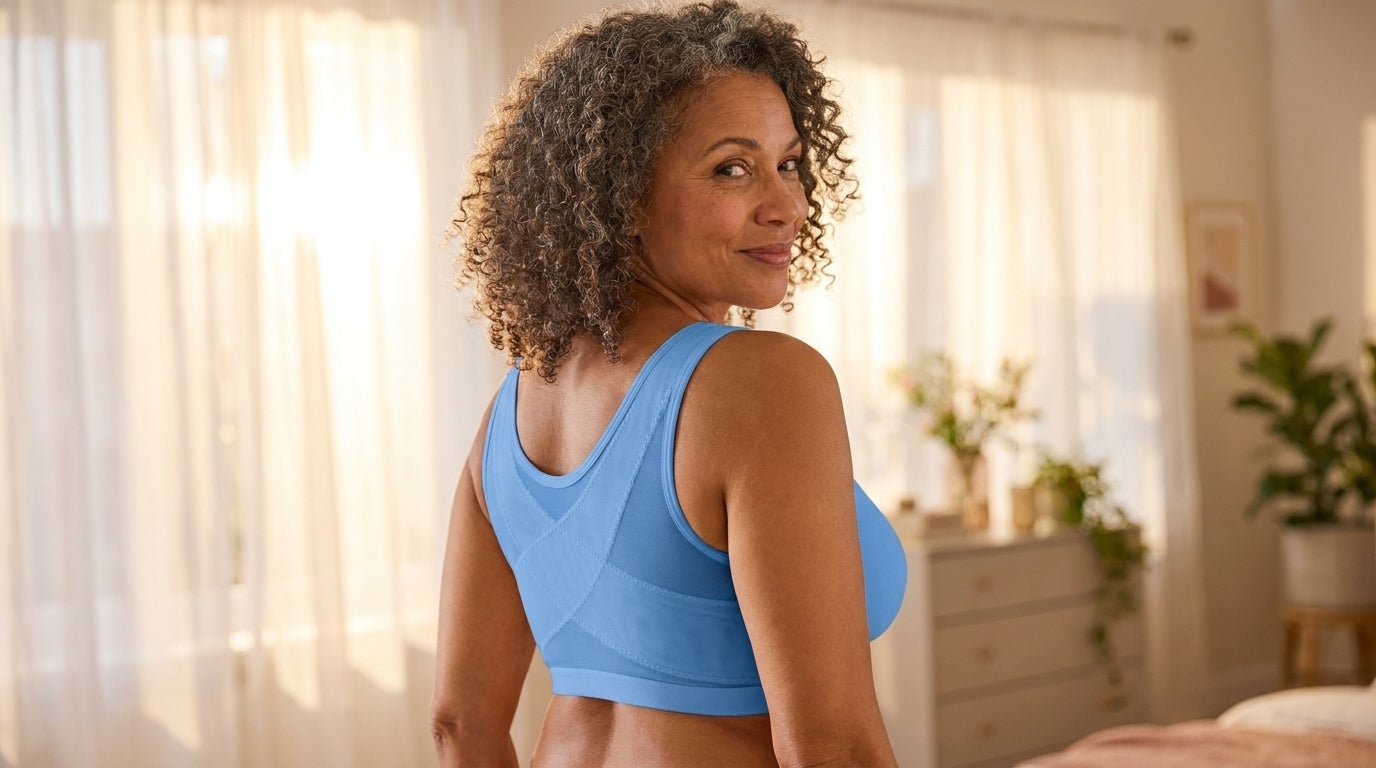
Our Woman Within Front-Close Wireless Posture Bra uses a power mesh crisscross back that helps support better posture, plus wider straps built to help reduce shoulder strain — the two spots that change first as bust and back shift. Full-coverage wireless comfort adds dependable lift and smoothing support without a wire digging in anywhere.
A front closure also matters more than it gets credit for. Reaching and fastening behind the back gets harder to do comfortably over time, and a front-close design removes that step entirely.
Waistbands: elastic and smocked, not rigid
A rigid, zip-front waistband holds one measurement. A full elastic or smocked waistband holds a range.
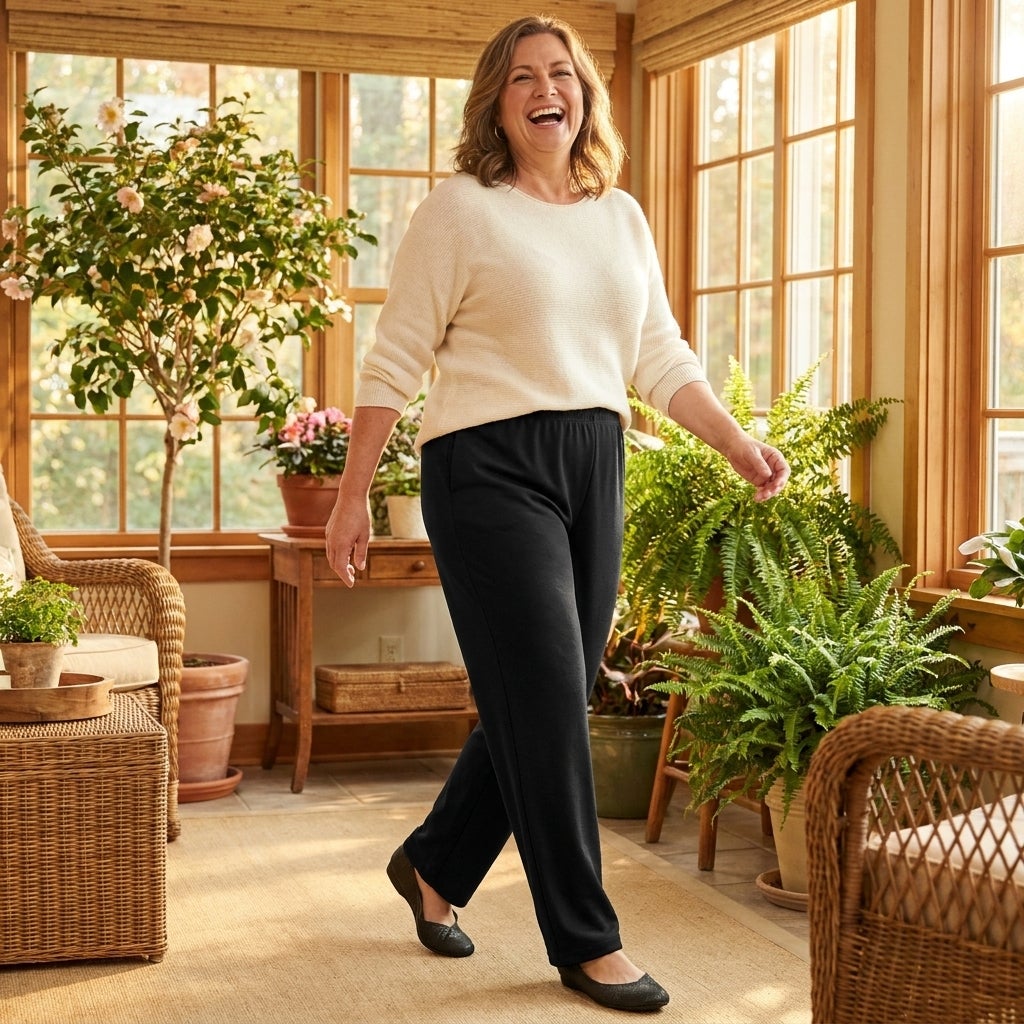
The 7-Day Straight-Leg Elastic-Waist Knit Pant uses a full elastic waistband, smoothly finished for a secure, pull-on fit without digging or gaping. That construction does the same job every day, whether the day calls for a little more give or a little less — no sizing math, no guessing which size fits “today.”
If you’re shopping pants for this same reason, the waistband construction matters more than the size on the tag.
Soft structured knits that hold their shape
Stiff, tailored fabric holds its shape by resisting the body. A soft structured knit holds its shape by moving with it.
Stretch-and-recovery fabrics flex through the day and return to shape afterward, instead of bagging out or pulling tight depending on the hour. That’s the difference between a knit top that looks the same at 8 a.m. and 8 p.m., and one that doesn’t.
This matters most in the pieces worn closest to the body — bras, waistbands, and base layers — where a rigid fabric has nowhere to go.
What to look for, at a glance
Three fit mechanisms do most of the work as posture, waistband comfort, and ease of dressing shift.
None of this needs to wait until something stops working. Checking in on fit once or twice a year — the same way you’d check the fit of shoes — catches a shifting strap or a tightening waistband before it becomes a daily discomfort.
| Fit feature | What to look for | Why it helps |
|---|---|---|
| Bra straps and back | Wider straps, power mesh crisscross back | Distributes weight and supports posture instead of digging into the shoulders |
| Waistband | Full elastic or smocked construction | Expands and contracts through the day rather than holding one fixed measurement |
| Fabric | Stretch-and-recovery knit | Moves with the body and returns to shape, instead of resisting it |
Frequently asked questions
Why don’t my clothes fit the way they used to?
Fit needs shift gradually with age — posture, waistband comfort, and ease of movement all change over years, not overnight. It isn’t a sign anything went wrong; it’s a sign the body kept moving and the wardrobe didn’t catch up.
What bra is best for posture support?
Look for wider straps and a supportive back panel, like a power mesh crisscross back, built to distribute weight rather than let it rest on two thin straps. A wireless, front-close design adds comfort and easier dressing.
What pants are most comfortable for everyday wear as fit needs change?
Pull-on knit pants with a full elastic waistband hold comfortably through a day that isn’t the same from morning to evening, without a rigid zip-front waistband digging in.
Will wider bra straps actually help with shoulder strain?
Yes. Wider straps spread weight across more surface area, so they’re less likely to dig into the shoulder than narrow straps carrying the same support.